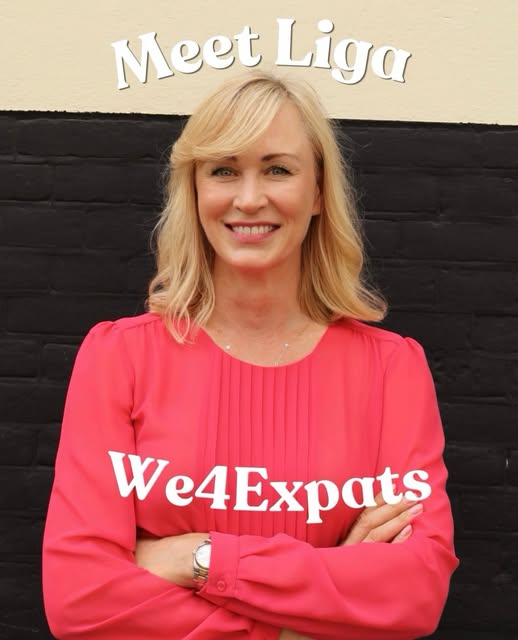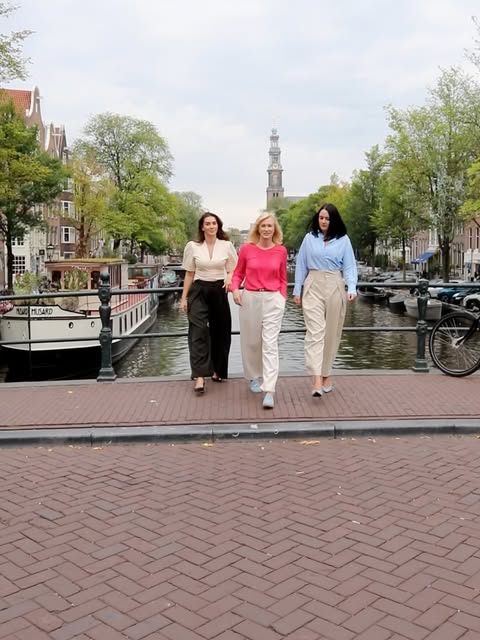
I’ve spent more than 20 years helping international buyers find their home in the Netherlands. In this guide, I explain how much you can borrow, what you need to save, which documents to prepare (whether you’re employed or run your own business), and every step from your first viewing to the keys.
Rent or buy: which is right for you?
Renting gives you flexibility, which is ideal if you’re staying a short time or still exploring cities. Buying makes more sense if you plan to stay several years: you build value, your monthly costs are more predictable, and you’re no longer competing for rental homes. Because buying comes with one-off costs, it usually pays off after a few years.
Can you buy a house soon after moving to the Netherlands?
Yes. There are no restrictions on foreigners buying property here. What matters is whether you can get a mortgage, and for that you need:
- A BSN (citizen service number), which you get when you register with your municipality
- Income a Dutch bank can assess, such as a Dutch employment contract
- A valid residence permit, if you’re from outside the EU
With a Dutch employment contract, a BSN and the right advisor, it’s often possible to buy within your first months. Some lenders ask for a permanent contract or an employer’s statement of intent, so speak to an advisor early. If you’ve only just started a business, it usually takes a little longer, as I explain below.
Buying as a business owner or freelancer
If you’re a ZZP’er, run your own BV or have just moved on a DAFT visa, banks see you as self-employed. They usually want annual figures, often from one to three years. That doesn’t always mean waiting years. Some lenders work with one year of figures or an accountant’s income forecast, and more savings can help.
Through our network, we work with trusted mortgage advisors who specialize in business owners and new arrivals. They know which lenders fit your situation and can tell you early on when and how you can buy.
How much can you borrow?
Dutch banks can lend up to 100% of the home’s value, so you don’t need a deposit for the purchase price itself. How much you can borrow depends on your income, your fixed costs and any other loans, based on national lending standards. If you have the 30% ruling, your advisor will explain how it’s assessed.
Tip: Know your budget before you view. A mortgage check takes a short call and a few documents, and it makes your offers much stronger.
How much savings do you need?
You’ll need savings for the buyer’s costs (kosten koper), usually about 4 to 6% of the purchase price:
- Transfer tax: 2% for a home you’ll live in yourself (0% for eligible first-time buyers under 35 below the yearly price limit)
- Notary fees for the transfer deed and mortgage deed
- Mortgage advice and arrangement
- Valuation report
- Buying agent fee, if you use one
- Technical inspection (optional, but recommended)
- Translator at the notary, if needed
- National Mortgage Guarantee (NHG), if it applies
Which costs are tax-deductible?
The financing costs, such as mortgage advice, the valuation, the notary fee for the mortgage deed and the NHG fee, are usually tax-deductible in the year you buy. Transfer tax and the notary fee for the transfer deed are not.
Documents you need for a mortgage
If you’re employed
- Passport
- Residence permit (if non-EU)
- Employment contract
- Employer’s statement
- Recent payslip
- 30% ruling decision (if applicable)
- Overview of savings
- Overview of loans and debts
If you’re a ZZP’er
- Passport
- Residence permit (if non-EU)
- KvK extract
- Annual figures and income tax returns
- Accountant’s statement or income forecast
- Overview of savings and debts
If you own a BV
- Passport
- Residence permit (if non-EU)
- BV annual accounts
- Your salary and payslips from the BV
- Income tax returns
- Overview of savings and debts
Your mortgage advisor will confirm the exact list for your situation.
What makes buying in the Netherlands different
- Overbidding: in popular areas, homes often sell above the asking price. A strategy based on comparable sales protects you from overpaying.
- Erfpacht (ground lease): common in Amsterdam, and it affects your costs and your mortgage.
- VvE (owners’ association): when you buy an apartment, you share the building’s costs.
- Speed: good homes go fast, so having your mortgage check done in advance matters.
How to buy a house in the Netherlands, step by step
Free call and mortgage check
We discuss your plans, and a trusted advisor tells you what you can borrow.
Search and viewings
We search on and off the market and join viewings, in person or by video.
Valuation and bidding
We check comparable sales, erfpacht and VvE, and negotiate for you.
Offer accepted and purchase agreement
We make sure conditions for financing and inspection are included. After signing, you have a 3-day cooling-off period.
Mortgage application
Your advisor arranges the mortgage, usually within three to six weeks, plus the valuation and insurance.
Notary and keys
You sign the deed at the notary, with a translator if needed, and collect your keys.
What if you move away from the Netherlands later?
Life changes, and that’s fine. If you leave, you usually have three options:
- Sell your home and repay the mortgage
- Switch to a buy-to-let mortgage and rent your home out
- For a temporary move, ask your lender for permission to rent out your home for a set period
Talk to your lender before you move, as renting out without permission isn’t allowed.
Planning to rent out your home? Read our guide for remote landlords →
How we help you buy your home
Buying advice from day one
20+ years of local experience, with honest advice on value, risks and bidding.
Trusted mortgage advisors
Specialists in expats, business owners and new arrivals, who compare many lenders for you.
Off-market homes
Through our network, we often hear about homes before they’re listed.
Your documents in order
We help you prepare everything for your offer and mortgage.
Viewings from abroad
Live video viewings if you’re not here yet.
Notary and translator
We guide you through signing, with a translator if you need one.
Frequently asked questions
Ready to explore buying?
In a free 15-minute call, I’ll talk you through your options and introduce you to a trusted mortgage advisor, so you know exactly what you can buy and when.
Book a free buying callThis guide is general information, not mortgage, tax or legal advice. Lending rules and tax rules change, so always check your situation with a licensed mortgage advisor.