In this guide, we share what we’ve learned from making the move ourselves and helping hundreds of newcomers settle in, from work and housing to sports clubs, making friends and Dutch culture.
Is the Netherlands expat-friendly?
Yes, and it’s one of the most expat-friendly countries in Europe. Cities like Amsterdam, Utrecht, The Hague, Rotterdam and Leiden have large international communities, and you’ll hear many languages on the street. The Dutch are direct, practical and open, and while it can take time to build close friendships, most newcomers find it easy to feel at home.
Language: do you need to speak Dutch?
Not to get by. Most Dutch people speak excellent English, so shopping, banking and visiting the doctor are easy without Dutch. But learning even a little makes a real difference. It helps you understand letters from the municipality, chat with neighbors and feel part of the community. Many municipalities, libraries and language schools offer courses, and the Dutch appreciate every effort, even if they reply in English at first.
Work and work-life balance
The Netherlands is home to the European headquarters of many international companies, with strong sectors in tech, finance, logistics, life sciences and the creative industries. Dutch work culture is famous for its balance: part-time work is common, meetings start on time, and evenings and weekends are usually your own. Hierarchies are flat, so your opinion counts, even as a newcomer.
Moving as an entrepreneur from the US? Read our DAFT visa guide →
Housing: the biggest challenge
Finding a home is the part of moving that surprises most newcomers. Demand is high, especially in the Randstad, and good homes are often gone within days. Preparation is everything: a complete file, a clear budget and knowing which neighborhoods suit you.
Renting in the Netherlands as an expat → · Explore our city guides → · Buying a house as an expat →
Cost of living
Housing is the biggest expense, especially in Amsterdam and Utrecht. Other costs are more manageable: you’ll likely save on transport if you cycle, and public transport, childcare benefits and good-quality public services help balance the budget. Remember to include health insurance, municipal taxes, energy and internet when you plan.
Healthcare
The Dutch healthcare system is high quality, and English-speaking doctors are easy to find. Basic Dutch health insurance is mandatory for most residents, and you usually need to arrange it within four months of registering or starting work. Your first point of contact is always your GP (huisarts), so register with one soon after you arrive.
Schools and family life
The Netherlands is a great place to raise children. Cities are safe, kids cycle to school, and there are parks and playgrounds everywhere. You can choose between international schools and Dutch schools, many of which welcome international children and offer extra language support. Waiting lists can be long, so start looking early.
See all international schools and where families live in our Kids & schooling guide →
Sports, fitness and staying active
Joining a gym or sports club is one of the easiest ways to build a routine and meet people.
Gyms and ClassPass
Most cities have plenty of gyms, yoga studios and boutique fitness classes. If you’re not sure where to start, ClassPass lets you try different studios with one membership, which is a great way to explore your new neighborhood and find the place you like.
Team sports and clubs
The Dutch love their sports clubs (verenigingen). Football, field hockey, tennis, padel, running, rowing and korfball clubs welcome newcomers, and many have English-speaking teams. Club life doesn’t end after the game: drinks in the clubhouse afterward are part of the fun, and it’s where many expats make their first real friends.
Making friends and building a network
Settling in is much easier with a network around you. Some ways to start:
- Join networking and business memberships, such as expat associations, professional women’s networks or industry groups
- Go to meetups and events for internationals in your city
- Visit your city’s expat center for practical help and welcome events
- Say yes to the Friday drinks (borrel) at work
- Volunteer, take a course or join a hobby group
Dutch friendships can take a little longer to form, but once you’re in, they’re for life.
Culture: music, concerts and museums
Dutch cultural life is rich and easy to enjoy. Get a Museumkaart (museum card) for unlimited access to hundreds of museums across the country, from the Rijksmuseum to small local gems. Go to a concert at the Concertgebouw or a festival in summer, catch live music in a local café, and join the national celebrations: King’s Day on 27 April is unforgettable. Getting to know Dutch traditions, from Sinterklaas to birthday circles, helps you understand your new home.
Getting around
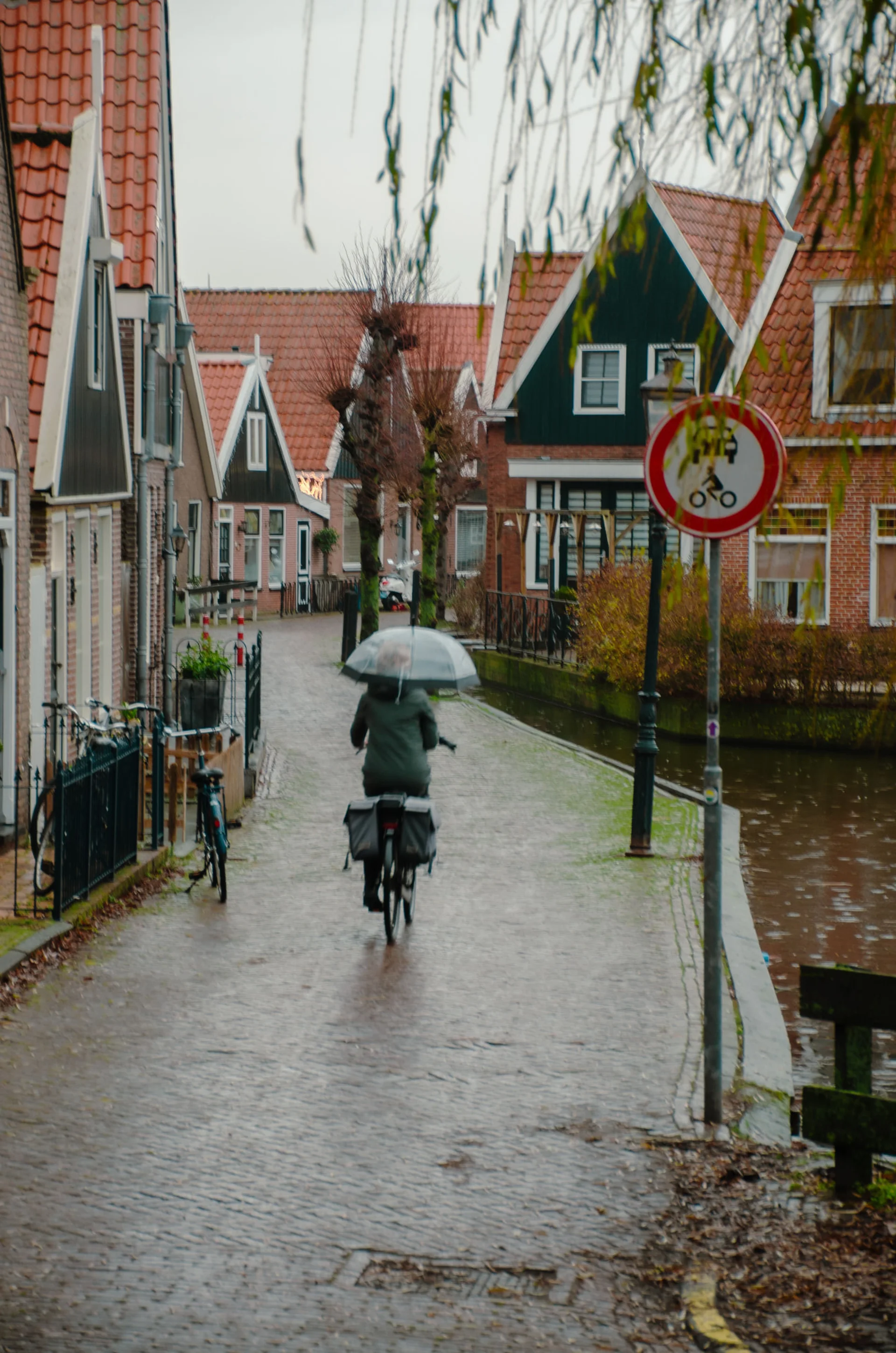
The bike is king. Cycling is the fastest way to get around most cities, and the train network connects the country quickly and reliably. With an OV-chipkaart or a contactless bank card, you can use all public transport.
Your first weeks: practical admin
Register with your municipality to get your BSN, apply for your DigiD, open a Dutch bank account, arrange health insurance and register with a GP.
Frequently asked questions about living in the Netherlands
Ready to start your life in the Netherlands?
Tell us about your plans and the life you’re looking for. In a free 15-minute call, we’ll help you choose the right city and neighborhood and plan your home search.
Book a free callThis guide is general information. Rules for healthcare, registration and permits can change, so always check your own situation with the relevant authority.