
Skip to content
We4Expats: relocation made easy

VISAS & IMMIGRATION

Visas and immigration in the Netherlands: know your route before you move

Your residence status shapes everything else: when you can sign a lease, register with your municipality and start work. Understanding your route early makes the whole move calmer and more predictable.

Luiza Zagara of We4Expats

Written by Luiza Zagara ·

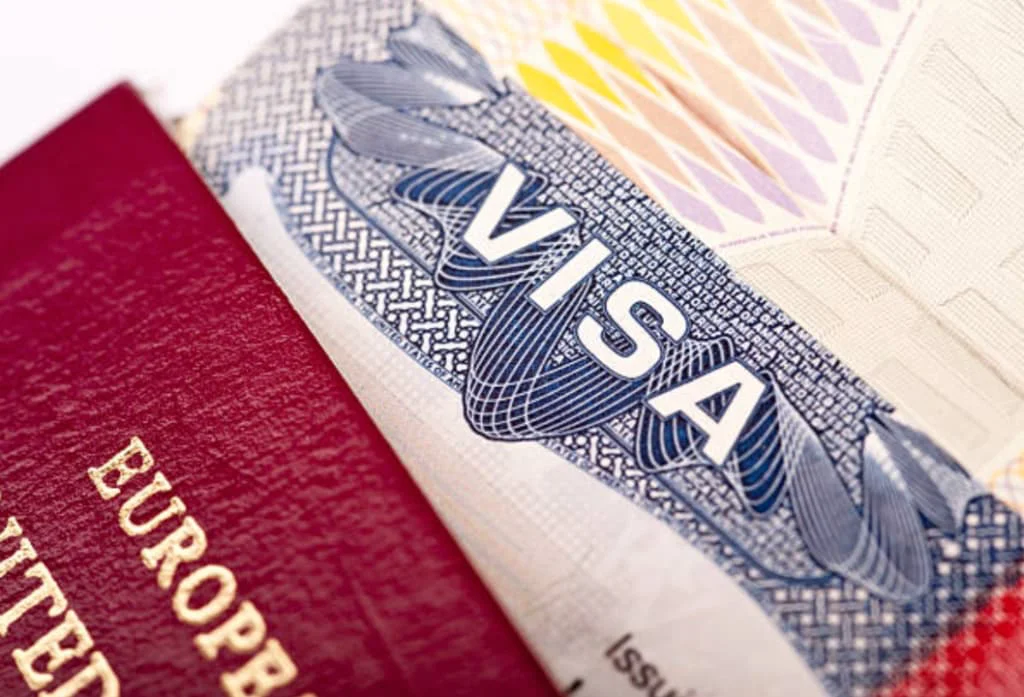
Close-up of a visa page beside a burgundy European passport

Which route fits you?

EU, EEA or Swiss citizen

No permit needed, just register

Registering with your municipality →

Hired by a Dutch employer

Highly skilled migrant or EU Blue Card

The 30% ruling and your housing budget →

US citizen starting your own business

DAFT

DAFT visa guide →

Joining a partner who lives here

Family reunification

Partners and family →

Student or researcher

Study or researcher permit

Students and researchers →

Recent graduate of a top university

Orientation year (zoekjaar)

IND website →

Moving within your company

Intra-company transfer

Other routes →

This is a general orientation. Your exact route depends on your nationality, work and family, so always confirm it with a specialist or the IND.

Understanding your route to the Netherlands

There isn’t one way to move to the Netherlands. There are several residence routes, each with its own conditions. The one that applies to you depends on your nationality, your work situation and your family.

Below is a general orientation. For advice on your specific case, we bring in specialists. Immigration advice is regulated work in the Netherlands, and you deserve proper answers rather than approximations.

EU, EEA and Swiss nationals

If you hold an EU/EEA or Swiss passport, you can generally live and work in the Netherlands without a residence permit. You still register with your municipality and arrange the practical essentials, such as a BSN and health insurance.
Highly skilled migrants and EU Blue Card

For professionals recruited from outside the EU, this route runs through an employer that is a recognized sponsor with the Dutch immigration service (IND). The employer applies, and the salary criteria depend on your age and situation. The EU Blue Card is an alternative route for highly qualified workers. You may also qualify for the 30% ruling.

DAFT and entrepreneurs

The Dutch American Friendship Treaty (DAFT) offers United States nationals a route to residence through self-employment, with conditions such as a registered business and a minimum investment. Similar entrepreneurial options exist for other nationalities, including the start-up visa.

Partners and family

Partners and children of someone already living and working in the Netherlands can often join them, with requirements that depend on the sponsor’s residence status, income and relationship. Each family member’s situation is looked at individually.

Students and researchers

Those coming for study, an exchange or research at a recognized institution generally need a study or researcher residence route, usually arranged through the hosting university or institute. Recent graduates of top universities may qualify for an orientation year to look for work.

Intra-company transfers and other routes

Employees moving within an international company, trainees and several other categories have their own residence routes. The right option depends on your nationality, employer and how long you plan to stay.

Official requirements and procedures are published by the Dutch immigration service (IND). Rules change, so always confirm the current requirements for your nationality and route.

Before you arrive: the practical side of moving

A residence decision is the key that starts the rest of the move. Once it’s in motion, a sequence of practical steps follows, and the order matters.

1.Municipal registration (BRP)

Once you have somewhere to live, you register your address with your municipality. This is what generates your BSN, the citizen service number you’ll need for almost everything else.

Make sure you can register at your temporary address.

2.BSN & DigiD

Your BSN unlocks employment, banking, healthcare and tax matters, and a DigiD gives you secure digital access to Dutch government services.

3.Health insurance

Basic Dutch health insurance is mandatory for most residents once they are registered, and there is a deadline linked to your registration. We help you understand when and how to arrange it.

4.Banking & everyday setup

With your BSN in hand you can open a Dutch bank account, set up utilities and arrange the rest of your practical setup, often easier in person than from abroad.

Wondering where your home search fits into all of this? See our relocation guide.

Housing and your residence status

In the Dutch rental market, landlords and agents often ask about your income, employment contract and sometimes your residence status before they offer you a lease. Waiting for paperwork and house-hunting at the same time can feel like a chicken-and-egg problem.

This is exactly where we help: we sequence your home search around your immigration timeline, and we know how to present your situation to landlords while your application is still in progress.

Read how we prepare your rental file while your permit is in progress →

How We4Expats helps with immigration

We are not immigration lawyers, and we won’t pretend to be. Our role is to make the immigration side of your move understandable and well organized, and to connect you with the right specialists at the right moment.

  1. Understanding your situation

    We start with your nationality, employer, family and plans, so you understand which residence routes are relevant to you and what each one asks of you.

  2. Connecting you with specialists

    Immigration and tax advice is regulated work in the Netherlands. We introduce you to vetted immigration partners and coordinate the conversation so nothing gets lost between parties.

  3. Documents and timeline

    Residence applications come with paperwork and waiting times. We help you keep track of what is needed, in what order, so your arrival is not delayed by missing documents.

  4. After approval

    Once your residence is arranged, the practical side begins. We support your registration, insurance, banking and settling-in so the move comes together end to end.

FAQ

Frequently asked questions about visas and immigration

It depends on your nationality and the purpose and length of your stay. EU/EEA and Swiss nationals generally do not need a residence permit, while most other nationals moving for work, family or study will follow a residence route through the Dutch immigration service (IND). Your specific situation determines the right route.

More questions? See our general FAQ or contact us.

A clear route. A confident move.

Tell us about your plans and where you are in the process, whether you’re still choosing a route, waiting on an application or ready to house-hunt. We’ll help you connect the immigration, housing and settling-in pieces into one calm, well-planned move.

Personal relocation support for internationals moving to Amsterdam, Amstelveen, Haarlem, Utrecht, The Hague, Rotterdam, Leiden and surrounding areas.

Join us on Instagram!

  • We4Expats Instagram post from November 2, 2026
  • We4Expats Instagram post from October 27, 2026
  • We4Expats Instagram post from October 26, 2026
  • We4Expats Instagram post from October 19, 2026