
What changed after Brexit
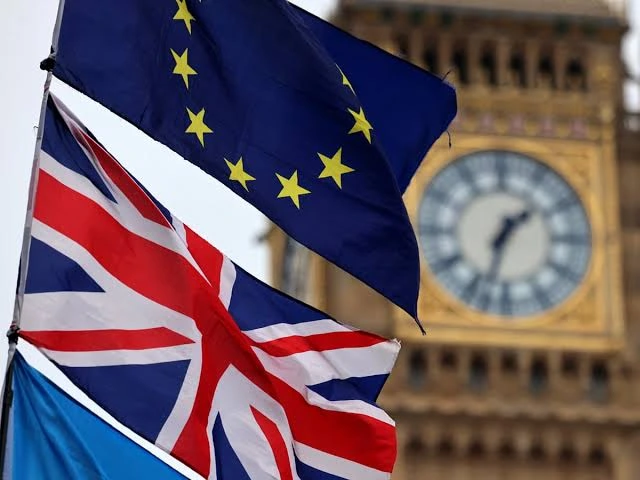
British citizens who move to the Netherlands now need a residence permit, just like other non-EU nationals. Since 1 January 2021, the IND (the Dutch immigration service) treats new British arrivals as third-country nationals (I amsterdam).
- Already living here before 2021? British residents covered by the Withdrawal Agreement keep their rights, with a special residence document.
- Moving now? You choose a permit based on why you’re coming: to run your own business, to work for a Dutch employer, or to join a partner.
The routes most relevant to British business owners are the self-employed permit, the highly skilled migrant permit, the startup permit and the EU Blue Card. Family reunification and intra-company transfers are also open to Britons.
Visa routes for British company owners
Most British entrepreneurs choose between the self-employed permit (run your own business) and the highly skilled migrant permit (be employed by a Dutch company). The right one depends on how you want to earn your income.
The self-employed permit is the most common route for British freelancers and owner-managers. You register your business with the Chamber of Commerce (KvK) first, then RVO assesses your plan and advises the IND. Expect a decision in about 90 days, and you must show your business can support you (Wise).
The highly skilled migrant route needs an employer that is already an IND-recognized sponsor. Recognition takes up to three months and checks the company’s continuity, solvency and reliability (Law & More). A brand-new BV with no track record may struggle to qualify as its own sponsor, so get legal advice before you count on this.
Note for readers who know DAFT: the Dutch-American Friendship Treaty only applies to US citizens. British entrepreneurs use the regular self-employed permit instead, with the points-based business plan.
| Route | Best for | Key requirement (2026) | Valid for |
|---|---|---|---|
| Self-employed permit | Freelancers, consultants, founders running their own business | A business plan scored by RVO: at least 30 points in each of three categories (experience, business plan, added value for the Netherlands) | Up to 2 years, renewable |
| Highly skilled migrant | Founders or managers employed by a Dutch company | An IND-recognized sponsor and a salary of at least €5,942 gross per month (€4,357 under 30) | Length of the contract, up to 5 years |
| EU Blue Card | Highly qualified employees who may move within the EU later | A degree and a salary of at least €5,942 gross per month (€4,754 reduced criterion) | Up to 4 years |
| Startup permit | Innovative startups | A recognized Dutch facilitator (mentor) | 1 year, then switch to self-employed |
Setting up a Dutch BV
A BV (besloten vennootschap) is the Dutch private limited company, comparable to a UK Ltd. It gives you limited liability, a professional EU base and, in the right setup, access to the 30% ruling (see below).
- Choose your structure. Many owners use a holding BV above an operating BV, to separate profits and risk.
- Visit a Dutch notary. The notary drafts the articles of association and registers the company. The minimum share capital is just €0.01 (Holdwise).
- Register with the KvK. The notary usually handles this. You receive a KvK number and a VAT number.
- Open a business bank account with a Dutch or EU bank.
- Set up payroll if you’ll be paid as the company’s director.
Director’s salary rule
As a director-major shareholder (DGA), you must pay yourself a “customary salary” (gebruikelijk loon) from your BV, roughly €58,000 a year in 2026 unless a lower amount can be justified. Confirm the current figure with your tax advisor.
BV or sole trader?
A sole trader (eenmanszaak) is simpler and cheaper to start, and works well with the self-employed permit. A BV makes more sense once profits are higher, when you want to limit personal liability, or when you want to employ yourself and apply for the 30% ruling.
The 30% ruling for British business owners
The 30% ruling lets an employer pay up to 30% of salary tax-free to employees recruited from abroad, for up to five years. From 1 January 2027 the maximum drops to 27% (BDO).
The main conditions (business.gov.nl):
- You’re employed on a salary, not self-employed.
- You’re recruited from abroad: for at least 16 of the 24 months before you start, you lived more than 150 km from the Dutch border. The UK qualifies.
- Your salary meets the minimum threshold: a taxable salary above about €48,013 in 2026, or about €36,497 if you’re under 30 with a master’s degree (Holdwise).
- The application is filed within four months of your first working day.
Can you use it through your own BV? In practice, a director-major shareholder is an employee of their BV and can apply through its payroll, according to Holdwise. The timing is crucial: set up the BV and sign your employment contract while you still live in the UK, then relocate. If you move first and set up the company afterward, you’re no longer “recruited from abroad”. Sole traders and freelancers can’t use the ruling at all.
The Tax Administration decides each application individually, so have a Dutch tax advisor check your setup before you move.
| Year you start | Tax-free allowance | Salary threshold |
|---|---|---|
| 2026 | 30% (27% from 2027) | about €48,013 (€36,497 under 30 with a master’s) |
| 2027 or later | 27% | €50,436 (€38,388 under 30 with a master’s) |
Finding a home and settling in
Housing is often the hardest part of the move, especially in Amsterdam, where good rentals go within days. Start your search early, ideally while your permit is being processed.
- Renting first: most British founders rent for the first year. Landlords usually ask for proof of income, so have your contract, recent payslips or business accounts ready. As a new business owner, expect to show savings or pay a larger deposit.
- Buying later: once you have a residence permit and income history, buying is possible. Self-employed and DGA income is assessed differently by banks, so speak to a mortgage advisor who works with international business owners.
- Registration and BSN: register with your municipality once you have an address. You’ll receive a BSN (citizen service number), which you need for banking, tax and health insurance.
- Health insurance: Dutch basic health insurance is mandatory, usually within four months of registering (Wise).
- Banking: open a personal account once you have your BSN, alongside your business account.
Renting in the Netherlands as an expat · Buying a house in the Netherlands as an expat · Renting & relocation support
Your step-by-step plan
Decide how you’ll earn your income
Self-employed, or employed by your own (or another) Dutch company.
Get advice before you move
An immigration lawyer for the permit, and a tax advisor for the BV and 30% ruling.
Set up your business
Register a sole trader or BV with the KvK. If you want the 30% ruling, sign your employment contract with the BV while you still live in the UK.
Apply for your residence permit
Prepare your business plan or employer documents.
Start your home search
Begin while the permit is being processed.
Move, register and settle in
Municipality registration, BSN, bank account and health insurance.
How We4Expats helps
We help British entrepreneurs find a home in the Netherlands and settle in, with one personal point of contact from your first call to your keys. We search for your rental or purchase, arrange viewings in person or by video, explain your contract in English, and connect you with trusted immigration lawyers, tax advisors and mortgage advisors who know business-owner setups.
Planning your move from the UK? Book a free 15-minute call and we’ll help you map out your next steps.
Book a free callFrequently asked questions
This guide is general information, not legal or tax advice. Rules and amounts change every year, so always check with the IND, the Tax Administration or a qualified advisor.